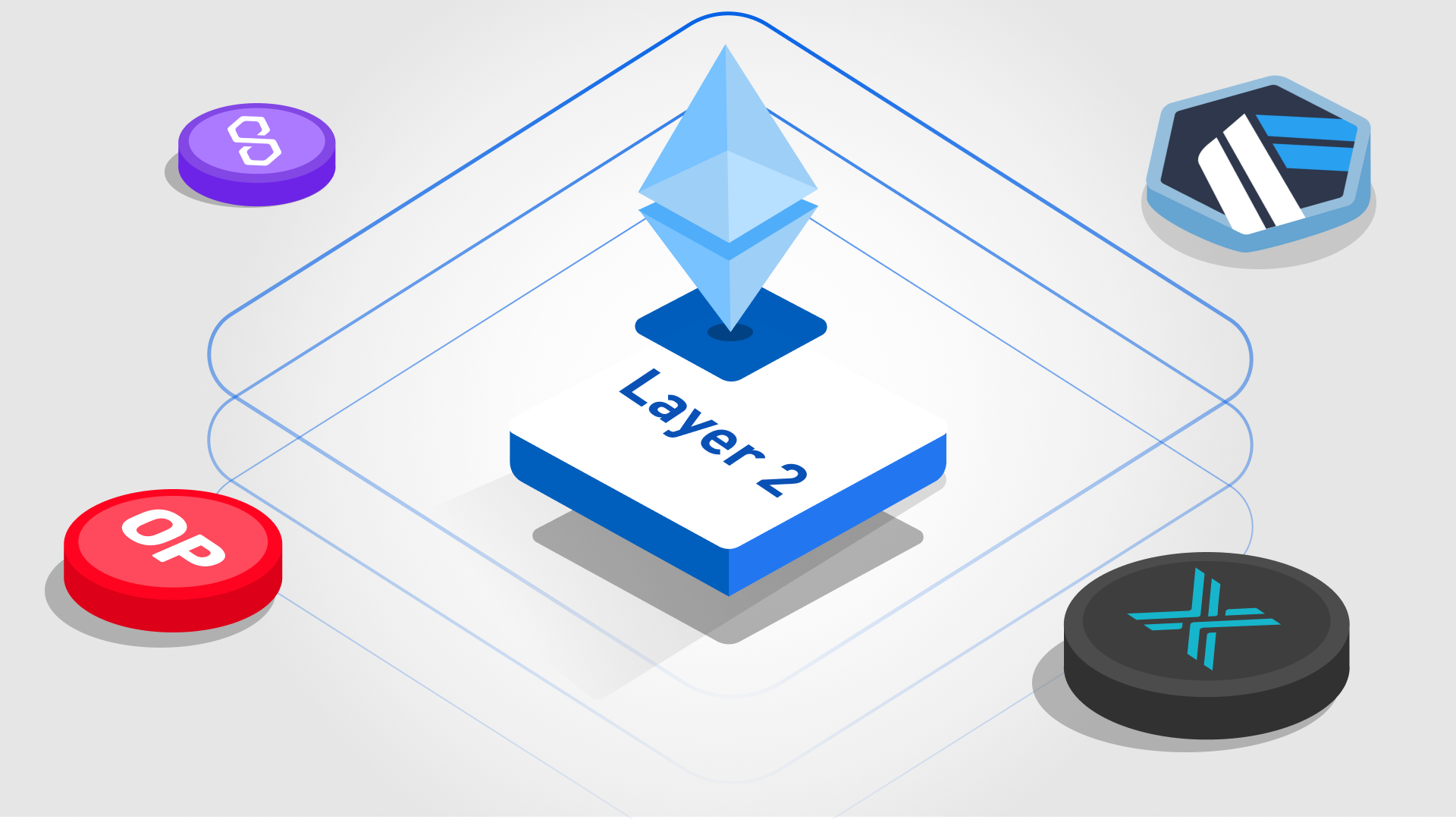
In the ever-evolving world of cryptocurrency, Layer 2 scaling solutions have emerged as a critical advancement in blockchain technology, particularly for platforms like Ethereum and Bitcoin. These solutions address blockchain scalability, which is essential as networks face congestion and high transaction fees. This article dives deep into the mechanics, importance, and real-world impact of Layer 2 solutions.
Understanding Layer 2 Solutions
Layer 2 scaling solutions operate on top of the main blockchain (Layer 1) and aim to alleviate congestion while enhancing transaction throughput. Blockchain networks like Ethereum, designed with decentralization and security as core principles, often suffer from limited scalability. The base layer (Layer 1) struggles to handle a high number of transactions per second (TPS), leading to slower processing times and higher fees, especially during peak periods of demand. This is where Layer 2 solutions step in.
Layer 2 solutions include sidechains, state channels, rollups (Optimistic and Zero-Knowledge), and plasma chains. These solutions enable transactions to occur off-chain, reducing the load on the main blockchain and increasing overall network efficiency.
Key Examples of Layer 2 Scaling Solutions
1. Rollups
Rollups batch multiple transactions off-chain and submit them as a single transaction on-chain, reducing the processing load. There are two primary types:
- Optimistic Rollups: Assume transactions are valid and process them off-chain unless a challenge is raised, leading to potential delays in dispute resolution.
- Zero-Knowledge Rollups (zk-Rollups): Use cryptographic proofs to instantly verify transactions, providing faster finality and lower fees compared to optimistic rollups.
Example: Arbitrum (Optimistic Rollups) and zkSync (zk-Rollups) have significantly reduced Ethereum's congestion, allowing faster, cheaper transactions while maintaining security.
2. State Channels
State channels enable two parties to interact off-chain by locking a portion of blockchain state into a multi-signature contract. Transactions between these parties are conducted privately off-chain, and only the final state is broadcast on-chain.
Example: The Lightning Network for Bitcoin utilizes state channels, enabling near-instant, low-cost payments between parties. This is crucial for Bitcoin to handle microtransactions and real-world payments without high fees.
3. Sidechains
A sidechain is a separate blockchain connected to the main chain via a two-way peg, allowing assets to move between chains. The sidechain operates independently but leverages the main chain’s security.
Example: Polygon (formerly Matic) is one of the most popular Ethereum sidechains, significantly enhancing transaction throughput by processing transactions off-chain while interacting with the main Ethereum chain.
Real-World Use Cases of Layer 2 Solutions
Layer 2 solutions are not just theoretical constructs; they have real-world implications, particularly for Decentralized Finance (DeFi) and Non-Fungible Tokens (NFTs).
DeFi Scaling: As DeFi platforms like Uniswap and Aave grow, the need for fast, scalable solutions is paramount. Projects like Uniswap V3 have integrated Layer 2 technologies like Optimism to ensure users can interact with DeFi protocols without the burden of high fees.
NFT Transactions: With the explosion of NFT marketplaces like OpenSea, Layer 2 solutions have become critical. Minting, trading, and transferring NFTs on Layer 1 blockchains like Ethereum can be expensive during high network demand. Platforms like Immutable X (zk-Rollups) provide gas-free minting and trading, revolutionizing NFT ecosystems.
Benefits and Challenges of Layer 2 Solutions
Benefits:
- Increased Throughput: Layer 2 solutions can process hundreds to thousands of transactions per second, compared to the low double-digit TPS of Layer 1 blockchains.
- Reduced Transaction Fees: By offloading transaction processing to Layer 2, fees are drastically reduced, making blockchain more accessible to users and developers.
- Faster Confirmation Times: Off-chain processing means transactions are confirmed almost instantly, enhancing the user experience for both small and large-scale operations.
Challenges:
- Security Risks: While Layer 2 inherits security from the main chain, bugs or vulnerabilities in the Layer 2 solution can pose risks. For example, issues with optimistic rollup dispute mechanisms could allow malicious actors to submit invalid transactions if not caught in time.
- Adoption and Integration: Developers must integrate Layer 2 solutions into existing dApps, which requires time, resources, and sometimes a steep learning curve. Additionally, user adoption hinges on ease of use and compatibility with existing tools.
The Future of Layer 2 and Blockchain Scalability
The adoption of Layer 2 solutions marks a new era of blockchain scalability. With Ethereum’s Ethereum 2.0 upgrade focusing on sharding and Proof-of-Stake (PoS), Layer 2 solutions will complement the base layer’s improvements, enabling Ethereum to handle even more complex and widespread use cases. Bitcoin’s integration of the Lightning Network will make it viable for daily transactions and micropayments, pushing it closer to mass adoption.
As blockchain networks evolve, Layer 2 solutions will continue to play a pivotal role in ensuring scalability, security, and decentralization. The future of cryptocurrency hinges on these technological advancements, allowing blockchains to scale while staying true to their decentralized ethos.
Conclusion
Layer 2 solutions are a fundamental component of blockchain’s future. They address the critical issue of scalability without compromising the security and decentralization that make blockchain technologies so revolutionary. As the cryptocurrency ecosystem matures, the widespread adoption of Layer 2 solutions will lead to more efficient and scalable systems, unlocking new possibilities for decentralized applications, DeFi, NFTs, and beyond.
The innovations provided by solutions such as rollups, sidechains, and state channels will ensure that blockchain technology continues to grow, becoming a dominant force in global finance, decentralized commerce, and beyond.